
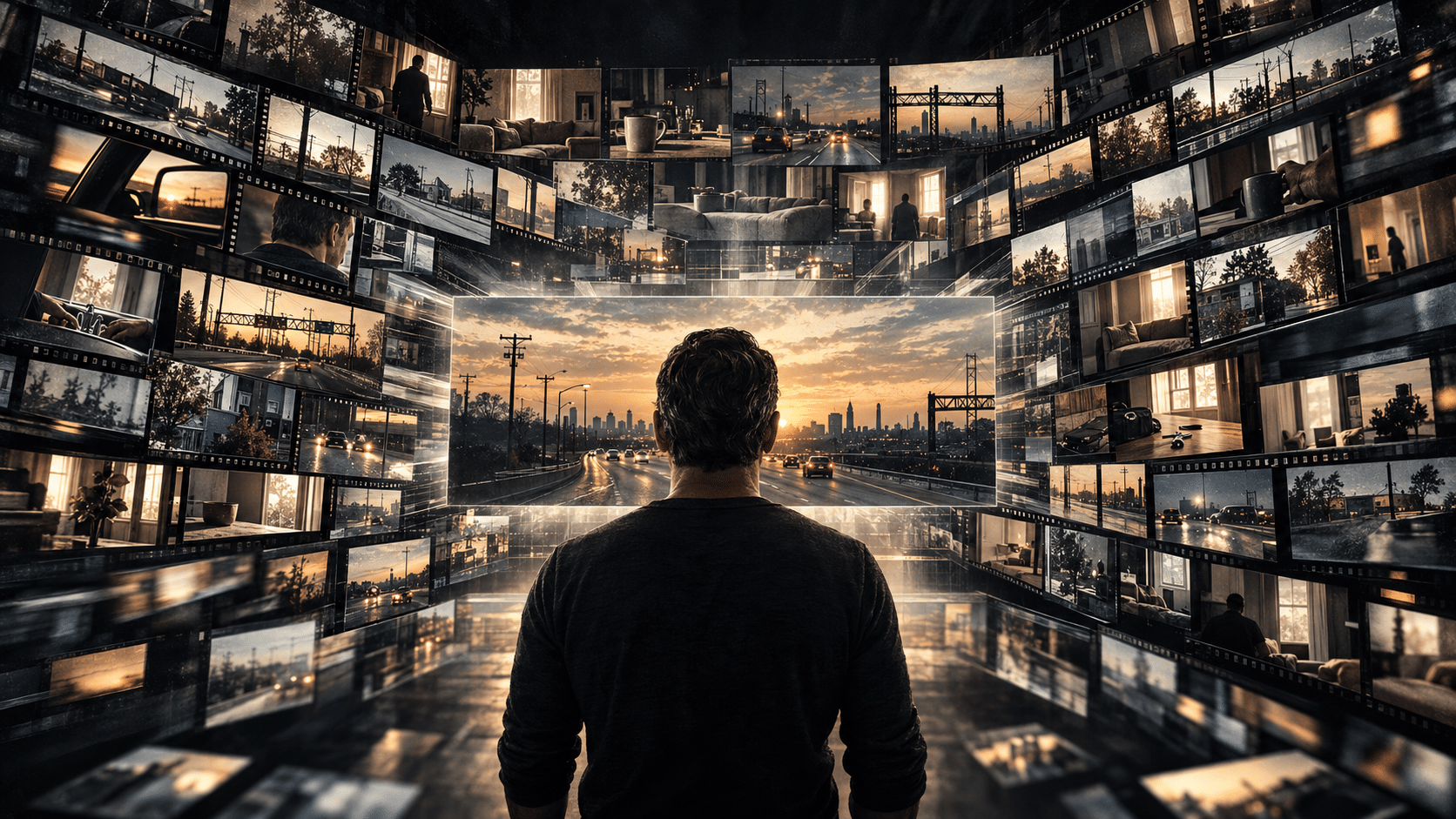
The Making of White Wolf, Part 3 of 7. Here is the number that makes people pause: more than 300 clips of footage. That is not 300 finished scenes, and it certainly is not 300 times I pressed a button and accepted whatever came back. It is a production built from short takes, choices, retries, and a lot of watching closely.
Thirty-five clips and a movie in my head
On June 22, the working count was roughly thirty-five generated clips. The first eight minutes were taking shape. I used Pollo and Seedance to turn planned beats into motion, while references carried the character and visual direction from one generation to the next.
Sometimes a result supplied exactly the emotion I wanted but missed a visual detail. Sometimes it looked gorgeous and did nothing useful for the edit. Sometimes the best piece was only a few seconds inside a longer clip. “Generated” is a description of where a take came from, not a promise that it belongs in the finished film.
July was a production sprint
The pace accelerated through July. By July 28, I was calling principal photography 84% complete. In early August that moved through 90%, then 92%. By August 13, the footage for the feature was shot and the rough assembly was underway.
That progress did not mean every shot was final. It meant I could finally stop asking whether I had the raw material for a feature and start asking harder questions about what the film actually needed. A pickup shot, a replacement angle, or an extra moment of quiet could still make a scene work better.
What the number really means
At one August checkpoint, I had 267 eligible 720p source clips totaling roughly two hours and twenty-five minutes of raw material. The broader production pool ultimately passed 300 clips as I added takes and replacements. Only a selection would earn its place in the final cut.
I have learned to care much less about the count than about the handoff between shots. The audience should never be doing my bookkeeping. They should be watching a father, a family, and the choices driving the story.
Making hundreds of pieces was the visible challenge. Making them feel like one movie was the real one.
Next: upscaling, choosing takes, and discovering what the film looked like inside Premiere Pro.
Previously in this series: Before the First Frame: Building White Wolf’s Visual Bible. Start the series from Part 1.
Leave a Reply